Greater Palm Springs and agriculture have been intertwined for more than a century.
“The Coachella Valley’s early pioneers knew that the area was destined to be an agricultural hub due to its warm climate, rich soil, abundant ground water, and close proximity to the railroad,” explains Janell Percy, executive director of Growing Coachella Valley.
While those advantages remain firmly in place, Greater Palm Springs is now building on its agricultural legacy to help shape the industry’s future.
A Testing Ground for the Future of Agriculture
“The Coachella Valley is essentially a preview of what a lot of the Western United States will look like as the climate changes,” says Patricia Springer, divisional dean of Agriculture and Natural Resources at UC Riverside’s College of Natural and Agricultural Sciences. “It already sees the kind of extreme heat and aridity that many other agricultural regions are projected to face in the years ahead, which makes it a natural stress test for the future of farming.”
With crops ranging from dates and citrus to strawberries and leafy greens, the Coachella Valley’s agricultural production was valued at $860 million in 2024 alone. This combination of scale, crop diversity, and demanding growing conditions gives researchers a rare opportunity to address challenges facing farmland well beyond the Valley.
Research That Drives Agricultural Innovation
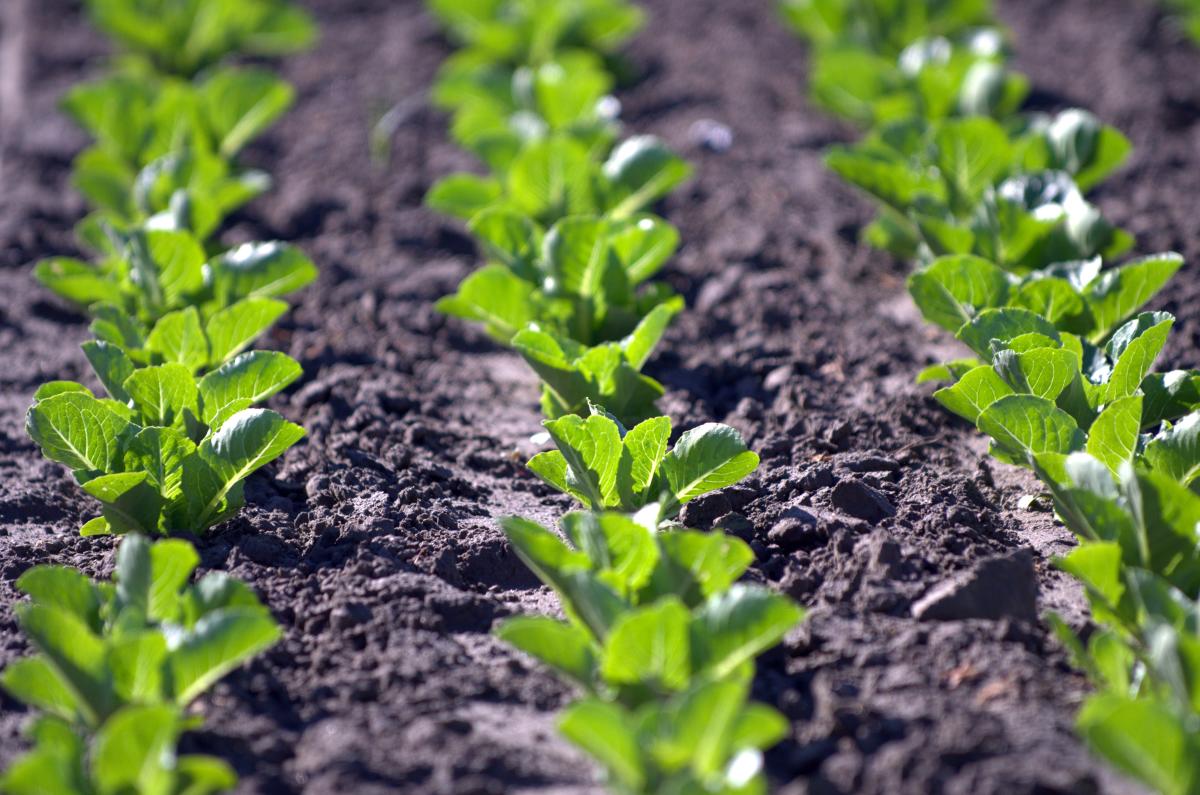
At UC Riverside’s 540-acre Coachella Valley Agricultural Research Station in Thermal, researchers are testing crops and production practices under desert conditions. Their work focuses on improving crop performance while addressing challenges involving pest management, soil health, water and salinity management, and sustainable growing practices.
UCR researchers are also tackling some of the biggest challenges facing Western farmers, particularly water availability and quality, along with increasing pressure from pests and disease. Those issues can compound one another, Springer notes, since water stress can make crops more vulnerable to pests and disease.
Precision agriculture is one way researchers are addressing those challenges. Sensors monitor soil and plant water and nutrient status in real time, giving growers a more precise picture of what different areas actually need. This information can help them identify opportunities to reduce water, fertilizer, or pesticide use without compromising yield.
“The Valley lets us study a full spectrum of crop resilience in one place—and what we learn here is a pipeline for solutions the rest of the country's farmland will eventually need,” Springer adds.
Connecting Talent, Infrastructure, and Markets
Of course, research is just one of the pipelines in Greater Palm Springs’ agricultural ecosystem. Talent is another one.
Coachella Valley farms and agriculture-related businesses support more than 12,000 year-round jobs, giving the region a deep base of agricultural experience that spans everything from growing and harvesting to packing, cooling, and shipping.
“It takes a whole community to bring crops to the table,” Percy says.
Then there’s the pipeline to market.
Greater Palm Springs sits along Interstate 10, giving growers, food producers, distributors, and other agriculture-related businesses direct access to major Southern California markets and distribution hubs. Union Pacific’s Sunset Route also runs through the region, connecting businesses to the ports of Los Angeles and Long Beach, as well as markets across the country.
The region’s growing calendar creates additional opportunities. Its long season allows farmers to produce bell peppers, leafy greens, and other vegetables during cooler months when production slows or stops in other growing regions.
Together, these advantages create something much more valuable than any single agricultural asset: an environment where businesses can grow, collaborate, and bring new ideas to the market.
Turning Research Into Real-World Solutions
One example is Coachella™ Bermudagrass, developed by UCR’s Turfgrass program and now licensed to Palm Desert-headquartered West Coast Turf. The company is already using it to resod golf courses throughout Southern California, demonstrating how local research can translate into commercial applications.
“This illustrates a great model for partnership between researchers, growers, and regional partners,” Springer says. “Researchers focus on problems specific to this region, and regional partners—growers, water districts, companies like West Coast Turf—turn that research into practice quickly.”
It’s a lesson she believes other regions facing similar water and climate pressures might learn from.
“Keep research and commercialization close together,” she adds. “It’s what moves solutions from the lab into the local economy fast.”