



A scenic drive up Highway 62 to Twentynine Palms leads to the north entrance of Joshua Tree National Park. Comprised of high-desert wilderness and hosting “forests” of namesake Joshua trees, desert wildlife, inspiring vistas and a colorful history, the nearby park is a natural treasure for visitors from all over the world. Plan to hike, camp, rock climb or take a guided tour. In the spring, view colorful blooms or spy a desert tortoise emerging from hibernation.
What Makes Joshua Tree National Park Unique?

Two distinct desert ecosystems—the Mojave and the Colorado—come together in Joshua Tree National Park, supporting a fascinating variety of wildlife and plant life. Geographically, the park encompasses rugged mountains of twisted rock, granite monoliths, arroyos, playas and alluvial fans. Together with its namesake Joshua trees, these features create the distinctive Joshua Tree landscape.
How Joshua Tree’s Famous Rock Formations Were Created
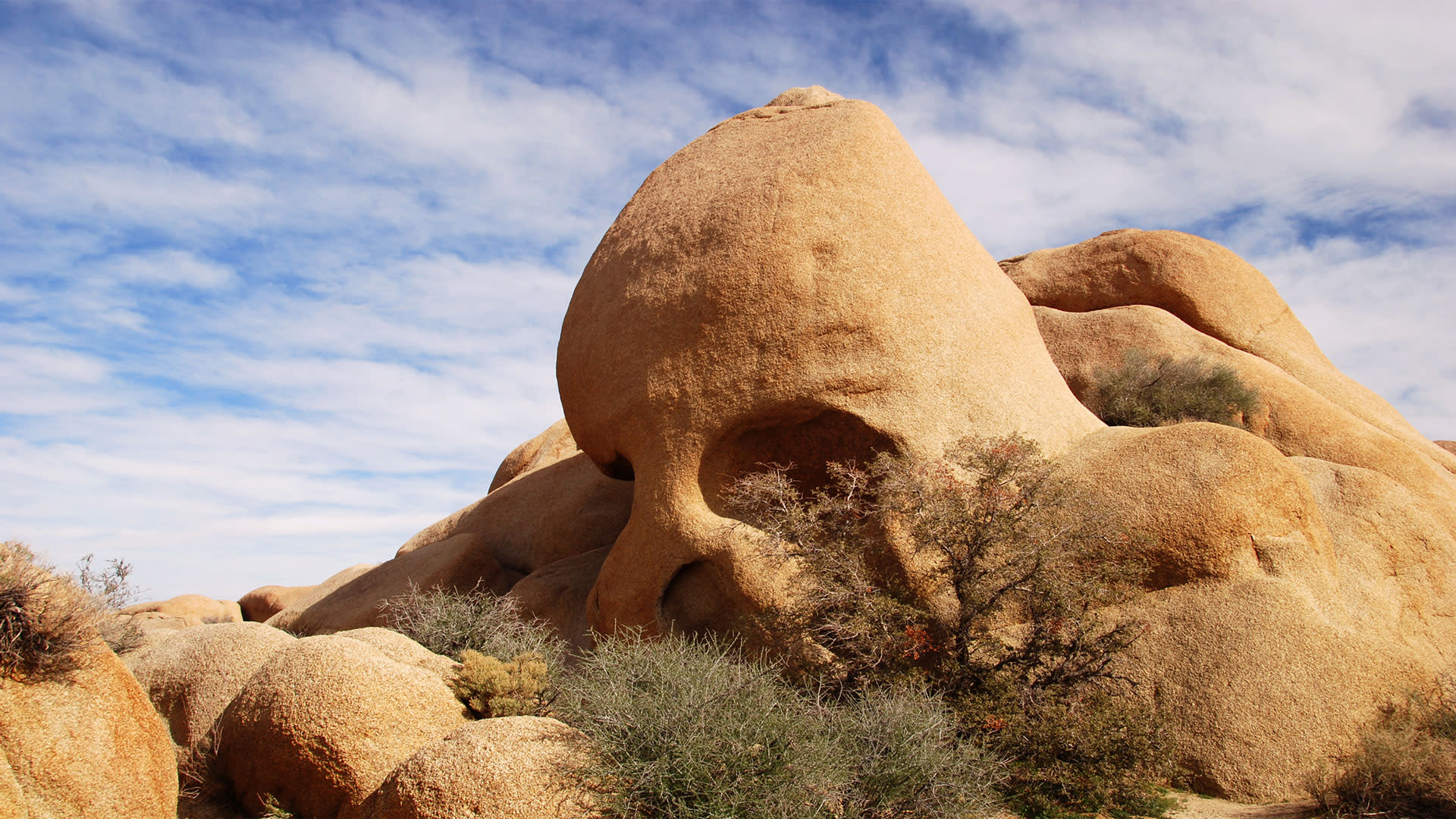
Joshua Tree’s gigantic boulders began forming more than 100 million years ago, when molten rock cooled beneath the earth’s surface. Over time, cracks developed in the rock, and groundwater gradually weathered the blocks into rounded shapes. Erosion and flash floods eventually washed away the surrounding material, revealing the impressive rock piles visitors see today at places such as Jumbo Rocks, Wonderland of Rocks and Split Rock.
The History of Joshua Tree National Park
Joshua Tree history stretches back thousands of years. Evidence of human activity in the area dates back nearly 10,000 years, and the landscape holds connections to the Serrano, Cahuilla, Chemehuevi and Mohave communities. Miners and ranchers arrived in the late 1800s, adding another chapter to Joshua Tree National Park history.
Keys Ranch Guided Tour
Discover the park’s homesteading history on the Keys Ranch Guided Walking Tour. Bill and Frances Keys established the Desert Queen Ranch, now known as Keys Ranch, where they raised their family and built a life through mining, ranching and farming.
Today, visitors can explore this preserved historic property only on a ranger-led tour. The half-mile walking tour lasts approximately two hours and offers a look at the ranch house, schoolhouse, store, workshop, mining equipment and orchard. Tours are generally offered from October through May, and advance reservations are required.
How Joshua Tree Became a National Park
Joshua Tree’s preservation is due in large part to Minerva Hamilton Hoyt, a passionate conservationist who advocated for the protection of California’s desert landscapes and native plants.
Largely through Hoyt’s efforts, President Franklin D. Roosevelt established Joshua Tree National Monument on August 10, 1936. It was expanded and redesignated Joshua Tree National Park on October 31, 1994. Visitors can learn more about Hoyt’s legacy and the park’s history through the National Park Service.
Joshua Tree National Park Today
Climbing & Hiking in the Park
The high-desert mecca for rock climbers attracts aficionados from all over the world. Joshua Tree’s gigantic boulders and famous traditional-style crack, slab and steep-face climbing opportunities tempt even the most experienced climber. However, with more than 8,000 climbing routes and 2,000 established bouldering routes, there is something for every experience level.
Hiking trails are plentiful throughout the park. Choose from short nature trails, moderate routes and strenuous hikes leading through rugged mountains and desert oases. Longer routes lead to destinations such as Ryan Mountain, Warren Peak, Fortynine Palms Oasis and Lost Palms Oasis. Avoid strenuous hikes during hot weather and always check current conditions before setting out.
Rangers remind climbers and hikers to take precautions to keep themselves safe while also protecting the fragile desert environment around them.
Planning a Visit to Joshua Tree National Park
Ready to explore? Find inspiration for your visit in our Joshua Tree and High Desert day-trip guide. After adventuring through the park, check out where to eat in Joshua Tree and enjoy the delicious restaurants located in the high desert.
Frequently Asked Questions About Joshua Tree National Park
Why is Joshua Tree National Park famous?
Joshua Tree National Park is famous for its namesake Joshua trees, dramatic rock formations, rock climbing, hiking and dark night skies. It also brings together two distinct desert ecosystems: the Mojave and the Colorado.
How did Joshua Tree National Park get its name?
Joshua Tree National Park takes its name from the Joshua tree (Yucca brevifolia), a distinctive plant native to the Mojave Desert. Its branching limbs and spiky leaves are defining features of the park’s landscape.
When did Joshua Tree become a national park?
Joshua Tree became a national park on October 31, 1994, through the California Desert Protection Act. Before that, it had been protected as Joshua Tree National Monument since 1936.
Why are the rocks in Joshua Tree shaped that way?
Joshua Tree’s rocks developed cracks as they cooled underground and the rock above them eroded away. Groundwater weathered the corners and edges into rounded shapes, while erosion and flash floods removed surrounding material, exposing the boulder piles seen today.
Looking to satisfy your hunger after adventuring through these trails? Check out where to eat in Joshua Tree and indulge in the delicious restaurants located in the high desert.

Where to Eat in Joshua Tree
From sustainably sourced saloons to picturesque cafés, here’s a highlight of some of...
Read More
Explore Joshua Tree
With nearly 800,000 acres of mystical beauty, Joshua Tree National Park is...
Read More
Camping
Discover where to RV or tent camp in and around Joshua Tree.